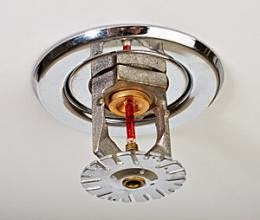
The restaurant industry has a huge target on their back when it comes to fires occurring in the workplace. With hot temperatures, even hotter grease, and the use of many heating appliances, restaurateurs must be extra vigilant in the steps they take to reduce the risk of fire in their place of business. While having working restaurant fire sprinklers is important, there are other steps you can take to reduce your risk. And it doesn’t have to be a huge chore to undertake. In fact, completing just a few simple tasks now can save you from fire heartache in the future.

1. Utilize Restaurant Fire Sprinklers – Restaurant fire sprinklers are one of the most important pieces of equipment you can install in your workplace. These systems should be adequate enough for a restaurant setting and serviced every six months.
2. Comply Industry Standards– The restaurant industry must comply with specific laws designed for their unique work setting. For example, most newer-style deep fryers require a wet chemical suppression system rather than a dry one and must be UL 300 compliant.
3. Train the Staff – Make sure to train your staff on how to look for potential dangers in the workplace. Show them how to take a proactive approach to these dangers such as regular cleaning and removing debris from the ground and cooking areas. Also offer extensive training on what to do in case of a fire such as an emergency exit plan and who to contact.
4. Don’t Neglect the Exhaust System–Cleaning the exhaust system regularly is important to removing the buildup of grease that is bound to accumulate. How often this dirty task needs to be completed will vary depending on how much your kitchen is used. Those with minimal use may only need to clean annually while larger restaurants may need to clean the exhaust system quarterly. Those utilizing charcoal or wood fires may need to clean their system even more frequently perhaps on a monthly basis.
5. Keep It Posted– Display fire safety signs such as safe heating temperatures for deep fryers in public areas or areas which pertain to that particular signage. Also post maintenance checklists, cleaning schedules, and fire inspection schedules as needed throughout the building so that all employees are aware of the steps they must take to prevent fires in the workplace.
6. Perform a Fire Safety Check– Whether you hire a professional safety inspector or have one on staff, a fire safety check is a great way to see areas in which you are succeeding and areas in which you have left yourself open for fires to occur. During the inspection, they will rate you on a number of areas and then brief you on their findings. In the course of the briefing, they typically offer suggestions for improvements as well as equipment that may help strengthen your safety.
Don’t make a costly mistake by leaving your restaurant’s fire safety in a haphazard condition. Keeping your place of business a safe environment can be simple and easy. Engaging these six steps can greatly reduce the risk of fire within the workplace ensuring safety for your customers, employees, and property by using restaurant fire sprinklers.
Source: Click Here
1. Utilize Restaurant Fire Sprinklers – Restaurant fire sprinklers are one of the most important pieces of equipment you can install in your workplace. These systems should be adequate enough for a restaurant setting and serviced every six months.
2. Comply Industry Standards– The restaurant industry must comply with specific laws designed for their unique work setting. For example, most newer-style deep fryers require a wet chemical suppression system rather than a dry one and must be UL 300 compliant.
3. Train the Staff – Make sure to train your staff on how to look for potential dangers in the workplace. Show them how to take a proactive approach to these dangers such as regular cleaning and removing debris from the ground and cooking areas. Also offer extensive training on what to do in case of a fire such as an emergency exit plan and who to contact.
4. Don’t Neglect the Exhaust System–Cleaning the exhaust system regularly is important to removing the buildup of grease that is bound to accumulate. How often this dirty task needs to be completed will vary depending on how much your kitchen is used. Those with minimal use may only need to clean annually while larger restaurants may need to clean the exhaust system quarterly. Those utilizing charcoal or wood fires may need to clean their system even more frequently perhaps on a monthly basis.
5. Keep It Posted– Display fire safety signs such as safe heating temperatures for deep fryers in public areas or areas which pertain to that particular signage. Also post maintenance checklists, cleaning schedules, and fire inspection schedules as needed throughout the building so that all employees are aware of the steps they must take to prevent fires in the workplace.
6. Perform a Fire Safety Check– Whether you hire a professional safety inspector or have one on staff, a fire safety check is a great way to see areas in which you are succeeding and areas in which you have left yourself open for fires to occur. During the inspection, they will rate you on a number of areas and then brief you on their findings. In the course of the briefing, they typically offer suggestions for improvements as well as equipment that may help strengthen your safety.
Don’t make a costly mistake by leaving your restaurant’s fire safety in a haphazard condition. Keeping your place of business a safe environment can be simple and easy. Engaging these six steps can greatly reduce the risk of fire within the workplace ensuring safety for your customers, employees, and property by using restaurant fire sprinklers.
Source: Click Here